Most people who get rejected from medicine weren’t good enough. Right?
Wrong. Every year, students with strong grades, real work experience and genuine commitment to medicine or dentistry don’t get in. Not because they weren’t capable. Because medical and dental schools don’t select the most knowledgeable students. They select the most compelling applications.
Some of these students are high-achievers. Organised, self-motivated, strong academic records. They’re used to clear feedback loops: study hard, get the grade. But the medical school application doesn’t work like that. There’s no mark scheme. No past papers to grind through. No way to know if what you’re doing is good enough until it’s too late.
Others are capable but overwhelmed. The UCAT on top of A-levels on top of work experience on top of the personal statement. Everything feels like too much, and nobody is telling them which parts matter most right now.
The strategy gap most people don’t see until it’s too late.
Here’s what typically happens. School helps with the personal statement. A UCAT course covers the test. A friend who got in shares some interview tips. Everyone means well. But none of these people are looking at the whole picture, and none of them are making sure the pieces connect.
Time
A-levels, UCAT, work experience, personal statement, university research, interview prep. There aren’t enough hours unless someone is coordinating what to focus on and when. The Performance Edge™ teaches you how to make every hour count, and your Dedicated Coach™ builds the roadmap so nothing gets left until the last minute.
Making Mistakes
A strong UCAT paired with a badly chosen university list is wasted. A good personal statement that contradicts your interview answers is worse than a weak one. The University Selection Clinic™ stress-tests your choices against real admissions data, and the Impact Statement™ process makes sure your personal statement and interview answers tell the same story.
Overwhelmed
The process has dozens of moving parts and nobody telling you which ones matter most right now. The Application Diagnostic™ maps your complete profile from day one, and your Dedicated Coach turns that into a clear, ordered plan so you always know what to focus on next.
All Eyes on You
What if I don’t get in despite getting the grades? The fear of being the one who should have made it but didn’t. That fear is real, and it’s why we back every student with our guarantee: complete the programme, follow the roadmap, and if you don’t get an offer, you go again for free.
Don’t Know What Good Looks Like
You can’t judge your own personal statement. You can’t benchmark your work experience. You don’t know if your UCAT score is good enough for your target universities. The UCATalyst Method™ gives you data-driven targets, the Experience Lens™ benchmarks your work experience against four pillars, and the University Selection Clinic matches your complete profile to where you have the strongest chance.
One coach. One system. Everything connected.
Most applicants treat the application as a series of separate hurdles: the UCAT, personal statement, work experience, university selection, and interviews. They try to solve each one independently. This creates a fragmented approach where the pieces never add up to more than the sum of their parts, and families are left feeling overwhelmed, uncertain, and unsure whether they’re even on the right track.
Future Doc works differently. A dedicated coach who knows your complete profile coordinates every element of your application as one interconnected system. Every decision is made with the full picture in mind.
The result: 93% of our students receive at least one offer. If they don’t, they continue into the following application cycle for free.

The same system. Built around your application.
UCAT preparation in context
Your UCAT target is set in context of your university shortlist. Six progressive steps from foundations to exam day. Your coach tracks accuracy, speed, and mock scores to decide what to focus on and what to deprioritise. That's the UCATalyst Method →
Work experience that counts
Your coach assesses your work experience against the four pillars, helps you secure the right placements, and ensures you reflect on them properly through the Reflection Bank. The depth of your reflection becomes the backbone of your personal statement and interview answers. That's the Experience Lens →
A personal statement built to persuade
Your personal statement is built from months of accumulated reflection, not written in a burst of inspiration. A seven-step process from workshop to senior review. Interview hooks are planted deliberately so you control the conversation before being invited. That's the Impact Statement →
Four strategic UCAS choices
Four UCAS choices built as a strategic portfolio using a Selection Database that most applicants never see. Not just matching UCAT scores to universities, but matching your complete profile to where you have the strongest chance. That's the University Selection Clinic →
Interview preparation from day one
Interview preparation starts the day you join, not when invitations land. The Interview Hot Seat simulates the pressure cooker environment of the real interview. University-specific practice for the formats your shortlisted universities actually use. That's Think Like a Doctor →
This isn’t a UCAT course. It’s a complete application system.
“My school helps with this.” Schools do personal statements and mock interviews. They don’t coordinate UCAT prep with university selection. They don’t track work experience against four pillars. They don’t stress-test your university choices against a database built from FOI requests. Your Dedicated Coach sees everything at once. Schools provide the foundation. Future Doc provides the specialist coordination that schools simply aren’t set up to deliver.
“I just need UCAT help.” If that were true, everyone with a good UCAT score would get in. They don’t. The UCAT is one variable inside a system. The UCATalyst Method is designed to work within that system, not in isolation. Your UCAT score shapes your university list, which shapes your personal statement orientation, which shapes your interview preparation. Isolating one piece means missing the connections that actually get people in.
“Can I do it myself?” Some students can. The 84% who don’t get an offer tried. The question isn’t whether you’re capable. It’s whether you can afford to find out the hard way.
Whether you’re the high-achiever who wants precision and control over every element, or the student who needs someone to cut through the noise and tell you exactly what to focus on next, the Predictable Offer Protocol adapts to where you are. The system is the same. How your coach deploys it is built around you.
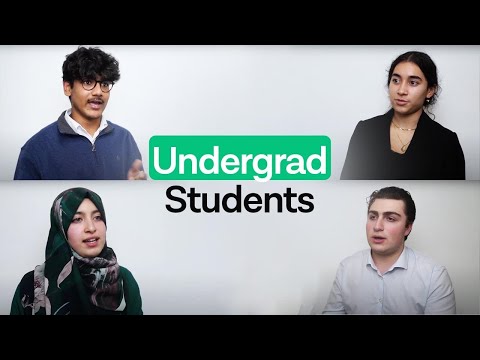
“If I had to describe Future Doc to a friend, I would describe it as an all-in-one package. They really laid it out for me step by step. Every single aspect for this competitive degree is really important and they make sure you’ve done your best for each part of the application.”Various Students, UG Medicine

The Future Doc Guarantee
The Offer Guarantee
If you complete the programme, attend your sessions, and follow the roadmap your coach sets out for you, and you still don't receive an offer from any medical or dental school, we continue working with you into the following application cycle at no extra cost. We re-strategise and pick up right where you left off.
30-Day Money-Back Guarantee
Try the programme with complete confidence. If for any reason you're not happy within the first 30 days, we'll give you a full refund. No questions asked.
— Dr Ash
93% of Future Doc students receive at least one offer to medical or dental school.
Frequently asked questions
When should I start preparing?
The sooner you start, the stronger your application. Students who begin early have more time for each element to compound. The early work is light, but it builds the foundation that everything else rests on. Work experience reflection, UCAT foundations, understanding what medical schools are actually looking for.
That said, late-joiners still succeed. The Application Diagnostic builds a timeline around your actual life, your exams, and your commitments. Even starting in Year 13, the programme adjusts. The system is designed to meet you wherever you are, not to make you feel like you’ve already fallen behind.
What if my school already helps with applications?
School support is well-intentioned but fragmented. They help with the personal statement and maybe a mock interview. They don’t coordinate UCAT preparation with university selection. They don’t track work experience against four pillars. They don’t stress-test your university choices against admissions data built from FOI requests.
This isn’t about replacing what your school does. It’s about complementing it. Your school provides the foundation. Future Doc provides the dedicated, specialist coordination that schools simply aren’t set up to deliver. Think of it like the difference between a GP and a consultant: both are qualified, but one is purpose-built for the specific challenge in front of you.
Do I need to have my UCAT score before joining?
No. The UCATalyst Method starts with foundations before any timed practice. Many students join well before sitting the UCAT. Your coach calibrates the approach based on where you are and when you plan to sit the exam.
In fact, starting before the UCAT is often better. It means your coach can build your UCAT preparation into the broader application strategy from the beginning, setting targets in context of the universities you’re considering and adjusting the plan as your performance develops. The UCAT doesn’t exist in isolation, and preparing for it shouldn’t either.
Is this just a UCAT course?
No. The UCAT is one element within a 12-element system. The Predictable Offer Protocol coordinates everything from work experience to personal statement to university selection to interview preparation. Each element feeds into the others, and your Dedicated Coach oversees all of it.
If a strong UCAT score alone were enough, everyone with a good score would get in. They don’t. We see it every year: students who score well on the UCAT but pick the wrong universities for their profile, or whose personal statement doesn’t hold up at interview, or whose work experience hasn’t been properly reflected on. A strong UCAT score is wasted if the rest of the application doesn’t support it.
What if I don’t get enough work experience?
The Experience Lens helps you secure the right placements and get the most out of what you have. You get access to a placement directory and community network. Your coach guides you on the right mix across four pillars and helps you arrange the placements you need.
What you do with your experience matters more than how much you have. A handful of genuinely reflected experiences will always beat a laundry list of random placements. The Reflection Bank ensures you capture the depth of what you’ve seen and done, and that reflection becomes the backbone of your personal statement and interview answers. Depth of reflection is what separates the real deal from someone who just ticked a box.
What happens if I don’t get an offer?
The guarantee: complete the programme, follow the roadmap, and if you don’t receive an offer, we continue working with you into the following application cycle for free. We don’t just want you on the programme. We want you to get in. We back our students all the way, because that's what we're here to do.
Outcomes don’t define ability. Some of the best doctors in the country struggled to get into medical school. What matters is that you don’t give up. Our team stays with you through results, through clearing, through any outcome. And if you need to go again, you go again with a full year of experience behind you and a coach who already knows your profile inside out.
Start building the application that gets you in.
We purposefully limit capacity to ensure every student gets the attention they need.
Apply to the Programme